
Your Garage Door Shouldn't Sound Like That
You press the button on your garage door opener, and instead of the smooth, quiet hum you're used to, you hear something unsettling — a loud grinding, a high-pitched squeal, or a rhythmic banging that makes the neighbors look over. If your garage door has started making strange noises, you're not alone. It's one of the most common concerns we hear from homeowners here in Granite Bay, and for good reason.
A noisy garage door isn't just annoying. In many cases, those sounds are early warning signs of mechanical problems that could lead to a breakdown, a safety hazard, or an expensive repair if left unchecked. The good news is that most garage door noises point to identifiable issues — and many of them are fixable before they become serious.
Let's break down the most common garage door sounds, what's likely causing them, and what you should do about each one.
Grinding or Scraping Sounds
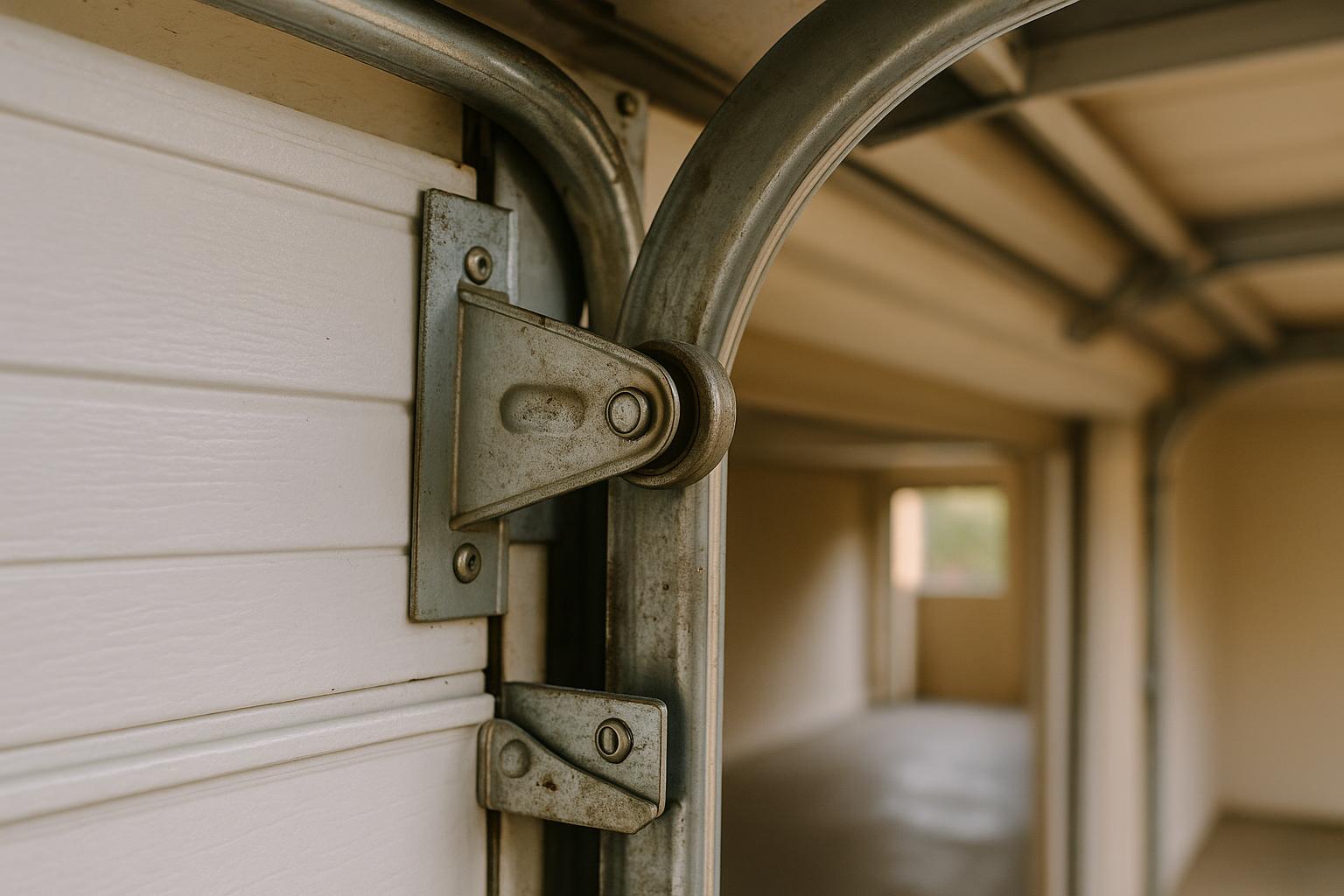
A grinding or scraping noise when your garage door opens or closes usually indicates a problem with the door's tracks or rollers. Over time, metal rollers can wear down, develop flat spots, or accumulate dirt and debris. When that happens, they no longer glide smoothly along the tracks, creating that harsh grinding sound.
Another possibility is that the tracks themselves are misaligned. Even a slight bend or shift in a track can cause the door to scrape against the metal as it moves. This is more common in older homes around Granite Bay where the garage may have settled slightly over the years.
What to Do
- Inspect the rollers for visible wear, cracks, or flat spots. Nylon rollers are quieter and last longer than standard steel rollers.
- Check the tracks for bends, dents, or gaps where they connect to the wall brackets.
- If the tracks appear misaligned, do not try to force them back into position yourself. Improperly adjusted tracks can cause the door to come off its rails. Call a garage door technician to handle the realignment safely.
Squealing or Screeching Noises
A high-pitched squeal or screech is often a lubrication issue. Your garage door system has many moving parts — hinges, rollers, bearings, and springs — that need to be properly lubricated to function quietly. When lubrication dries out, metal-on-metal contact creates that painful squealing sound.
This problem tends to get worse during the hot, dry summers we experience in the Granite Bay area, as heat can accelerate the evaporation of lubricants.
What to Do
- Apply a garage door-specific lubricant (not WD-40, which is a solvent, not a long-term lubricant) to the rollers, hinges, spring coils, and bearing plates.
- If the squealing continues after lubrication, the issue may be worn-out bearings in the rollers or the torsion spring system, which should be inspected by a professional.
Rattling or Vibrating Sounds
Rattling is one of the more common garage door noises, and it's often one of the easiest to fix. In many cases, the culprit is loose hardware. The constant motion of opening and closing your garage door multiple times a day can gradually loosen nuts, bolts, screws, and brackets throughout the system.
Rattling can also come from a loose garage door opener chain. If your opener uses a chain drive, the chain can develop slack over time, causing it to vibrate and rattle against the rail during operation.
What to Do
- Using a socket wrench, carefully tighten all visible nuts and bolts on the door's hinges, brackets, and track supports.
- Check the chain tension on your opener and adjust it according to the manufacturer's instructions.
- If you have an older chain-drive opener and the noise is bothersome, consider upgrading to a belt-drive opener, which operates much more quietly.
Banging or Popping Sounds
A loud bang or pop when your garage door moves is more concerning. This sound often comes from the torsion springs — the tightly wound springs mounted above the door that counterbalance its weight. As springs age, they can develop weak spots that cause them to shift or snap under tension, producing a sudden banging noise.
A single loud bang followed by a door that won't open typically means a spring has broken entirely. This is a serious issue that requires immediate professional attention.
Popping sounds can also occur when door panels are warped or when the hinges between panels are binding as the door moves along curved sections of the track.
What to Do
- Never attempt to repair or replace torsion springs yourself. These springs are under extreme tension and can cause severe injury if handled improperly.
- If you hear a loud bang and your door stops working, keep the door closed and call for emergency garage door service right away.
- For recurring popping sounds, have a technician inspect the hinges and panels for wear or warping.
Humming or Buzzing Without Movement
If you press your garage door opener button and hear the motor humming or buzzing but the door doesn't move, the opener's motor is running but something is preventing it from engaging with the door. This could be a stripped gear inside the opener, a broken drive mechanism, or a disconnect between the opener and the door itself.
What to Do
- Check whether the emergency release cord has been pulled, which disconnects the opener from the door.
- If the release is engaged, reconnect it according to your opener's manual.
- If the motor continues to hum without moving the door, the internal gears may be stripped and the opener will likely need professional repair or replacement.
When Noise Means It's Time for Professional Help
Some garage door noises can be resolved with basic maintenance — tightening hardware, applying lubricant, or cleaning the tracks. But many sounds point to underlying mechanical issues that require the tools, training, and experience of a qualified technician.
As a general rule, call a professional if:
- The noise is sudden, new, or significantly louder than before
- The door moves unevenly, jerks, or hesitates during operation
- You suspect a spring, cable, or track issue
- Basic maintenance doesn't resolve the noise
- The door stops working entirely
Keep Your Garage Door Running Quietly in Granite Bay
Your garage door is one of the largest moving parts of your home, and it works hard — most families open and close it at least four times a day. Over time, that adds up to thousands of cycles per year, and wear is inevitable. The key is catching small problems early, before a minor squeak turns into a major repair.
At Granite Bay Garage Door Works, we help homeowners throughout Granite Bay, Roseville, Rocklin, Folsom, Loomis, and Lincoln keep their garage doors operating safely and quietly. Whether you need a quick tune-up, roller replacement, or a full diagnostic of a door that's making sounds you can't explain, our team is here to help.
If your garage door is making a noise that doesn't sound right, don't ignore it. Contact us today to schedule an inspection and get your garage door back to running the way it should — smooth, safe, and quiet.